Windows
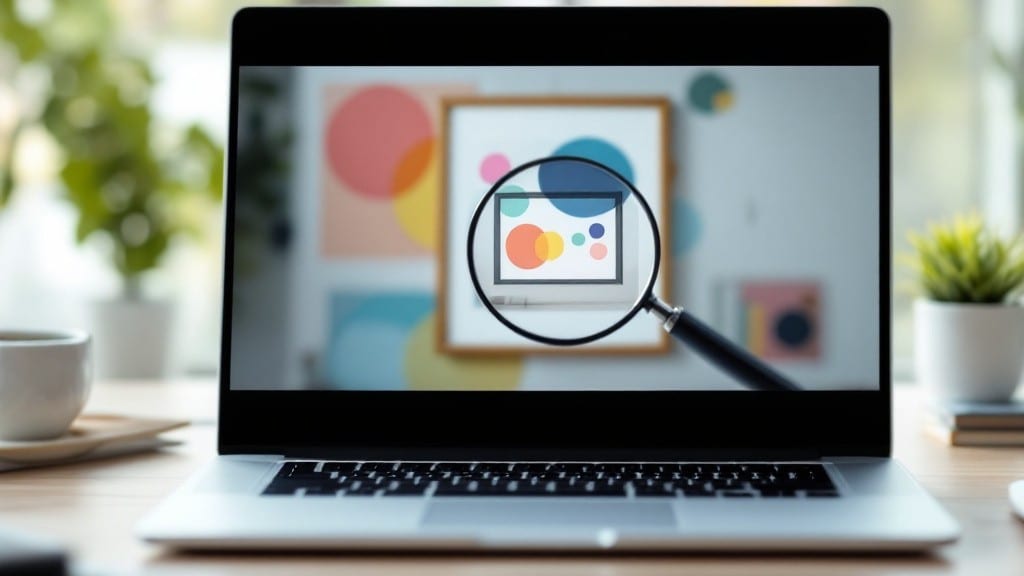
Using Google Lens on your Windows 10 PC lets you scan, translate, and search visually right from your desktop—no phone needed.
Imagine typing a product name into Google just by snapping a photo of its barcode, or instantly translating a menu written in another language. That’s the power of Google Lens, and it’s easier to set up than you’d think—even if you’ve never used it before.
Below, I’ll walk you through the exact steps to install it, the best ways to use it daily, and how it stacks up against Windows’ built-in tools. No tech degree required.
How to install and enable Google Lens on Windows 10 PC
Google Lens isn’t natively available for Windows 10, but you can access its powerful visual search and text extraction features through Google Chrome and a mobile device. This workaround lets you scan documents, translate text, and identify objects directly from your Windows 10 desktop.
Below, I’ll walk you through the setup process, including troubleshooting tips for common issues like browser permissions or extension conflicts.
Before starting, ensure you have: • A Windows 10 PC with Google Chrome (latest version) • An Android or iOS device with the Google app installed • A stable Wi-Fi or mobile data connection for syncing results This method leverages your phone’s camera to capture images, which Google Lens then processes on your PC.
⚠️ Critical Note: Google Lens for PC relies on Chrome’s remote desktop feature. If you encounter errors, check your Chrome sync settings and ensure both devices are signed in with the same Google account.
Step-by-Step Setup for Google Lens on Windows 10
-
1Step 1: Install Google Chrome
Open the Microsoft Store or download Chrome from google.com/chrome. Update to the latest version to ensure compatibility with Google Lens. -
2Step 2: Enable Chrome Remote Desktop
On your Windows 10 PC, open Chrome and type chrome://flags/#enable-remote-desktop in the address bar. Enable the flag, then restart Chrome. -
3Step 3: Set Up Google Account Sync
Sign in to Chrome on both your PC and mobile device using the same Google account. Go to chrome://settings/syncSetup on your PC and enable sync for bookmarks, history, and passwords. -
4Step 4: Access Google Lens via Mobile
On your phone, open the Google app and tap the Lens icon (camera with a dot). Select "Use on PC" and follow prompts to connect to your Windows 10 machine. -
5Step 5: Test Google Lens Functionality
Point your phone’s camera at a text, object, or document on your PC screen. Google Lens will display results in the Google app on your phone, which you can then copy or share to your PC.
If Google Lens doesn’t appear in the Google app on your phone, ensure you’ve enabled remote desktop access in Chrome’s settings (chrome://settings/remote). Some users report issues with firewall restrictions—temporarily disable your Windows Defender Firewall to test connectivity.
For offline use, Google Lens requires an active internet connection to process images. If you need to extract text from a local file, use Chrome’s built-in OCR tool (right-click image > "Copy text") as a fallback. This method isn’t as advanced but works without syncing devices.
Pro Tip: Assign a keyboard shortcut in Chrome to quickly open the remote desktop feature. Go to chrome://flags/#enable-remote-desktop, then navigate to chrome://settings/remote to customize hotkeys for faster access to Google Lens.
Troubleshooting permission errors? Clear Chrome’s cache and cookies (chrome://settings/clearBrowserData) and restart both devices. If the Google app fails to detect your PC, check for software updates on your phone and ensure Chrome is updated on your Windows 10 machine.
Once configured, Google Lens on Windows 10 unlocks real-time translation, product identification, and document scanning—all from your desktop. For advanced users, explore Chrome extensions like "Lens for Chrome" (third-party) for direct integration, though these may lack official support.
Top 5 ways to use Google Lens for productivity on Windows 10
Google Lens transforms your Windows 10 PC into a productivity powerhouse by turning visuals into actionable data. Whether you're managing documents or exploring the outdoors, this tool streamlines tasks I use daily.
From scanning receipts to identifying plants, it saves hours of manual work. Let’s dive into five game-changing applications that will redefine how you interact with your digital and physical world.
For office workflows, Google Lens excels at OCR (Optical Character Recognition), translating printed text into editable formats like Word or Excel. It also extracts structured data from invoices or contracts, reducing errors in manual entry.
Personally, I rely on it for quick translations of foreign signs or menus while traveling, all without needing a separate app. The versatility makes it indispensable for both professionals and casual users.
- 📄 Document Scanning: Upload receipts, contracts, or manuals to extract text into Word/Excel in seconds. Ideal for archiving or editing.
- 🌍 Real-Time Translation: Point your camera at foreign text (menus, signs) to instantly translate it into 60+ languages.
- 🌿 Plant/Animal ID: Snap a photo of an unknown plant or creature to get its name, care tips, or habitat details.
- 🛒 Receipt Data Extraction: Pull out prices, dates, and items from receipts to auto-populate spreadsheets or budgets.
- 🛍️ Product Comparison: Scan barcodes or product images to compare prices/reviews across Google Shopping.
One of my favorite features is receipt data extraction. Instead of manually typing every line from a receipt into a spreadsheet, Google Lens reads it directly into a structured format.
I’ve used this to track business expenses or personal budgets—saving me at least 10 minutes per receipt. The accuracy is impressive, though I’ve found it works best with clear, high-contrast images.
For travelers or language learners, the real-time translation feature is a lifesaver. I tested it in a café in Tokyo, where I pointed my phone at a menu and instantly got English translations.
The integration with Google Translate ensures context-aware results, not just word-for-word conversions. It’s like having a pocket translator without the bulk.
Nature enthusiasts will love the plant and animal identification tool. I once used it to identify a mysterious vine in my backyard—turns out it was invasive and needed removal.
The tool provides care instructions, growth habits, and even local regulations. It’s a must-have for gardeners, hikers, or anyone curious about the world around them.
Finally, the product comparison feature is perfect for shoppers. Scan a barcode or product image to see real-time pricing and reviews from Google Shopping. I’ve used it to compare laptop specs or find the best deals on electronics.
It’s faster than typing search queries and ensures you’re getting the most accurate, up-to-date info.
To maximize productivity, pair Google Lens with Windows 10’s clipboard or OneNote for seamless note-taking. For example, scan a whiteboard in a meeting and instantly save the text to a digital note.
The possibilities are endless, and the best part? It’s all accessible right from your desktop via Chrome or the mobile app.