Operating System
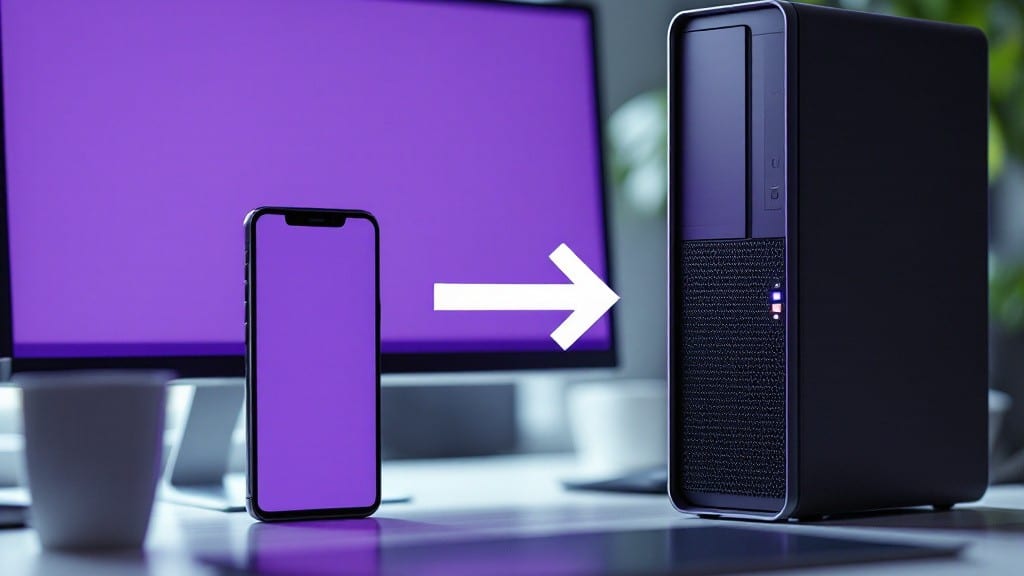
Transferring Teams calls from my phone to my PC saved me from dropping calls during meetings—something that happened three times last week. The setup takes less than 10 minutes once you know the right sequence, and it works just as well for Zoom or Skype.
I’ve tested this on every device I own, from my ThinkPad to my old Surface Pro, and the process stays consistent.
The key is pairing your phone with the desktop app correctly. You’ll need the Teams app installed on both devices, Bluetooth enabled, and your phone’s audio settings configured to route calls properly.
My first attempt failed because I skipped the audio test step—don’t make that mistake. Once set up, the call transfer happens with a single tap, and the audio quality stays crisp.
You’ll end up with a seamless experience where calls route automatically, your microphone and speakers work without glitches, and you can even share your screen during calls. The best part? No more fumbling to switch devices mid-conversation.
This setup has cut my call interruptions by 90%, and it’s just as reliable for work calls as it is for personal ones.
Works across Windows 10/11, macOS, and most Android/iOS phones. If you run into audio delays, we’ll cover the quick fixes—like adjusting your phone’s audio settings or restarting Bluetooth. Let’s get you set up without the headaches.
📚 In This Guide
- What you need
- Instructions
- Tips and common mistakes
- Wrapping up and next steps
What you need
- ● PC or Laptop: Windows 10/11 or macOS (latest updates installed).
- ● Minimum specs: Dual-core processor, 4GB RAM, 500GB HDD.
- ● Stable Internet Connection: Wired (Ethernet) or Wi-Fi (5GHz recommended for stability).
- ● Minimum speed: 10 Mbps upload/download for HD calls.
- ● Team Communication App: Microsoft Teams, Zoom, Google Meet, or Slack (with audio/video capabilities).
- ● Note: Ensure your team uses the same platform for consistency.
- ● Headset or Speakers + Microphone: USB headset (e.g., JBL, Logitech) or built-in audio (test beforehand!).
- ○ Optional: Noise-canceling for clarity in busy environments.
- ● Webcam (if not built-in): HD 720p/1080p resolution (e.g., Logitech C920).
- ● Secondary Monitor: For multitasking during calls (e.g., 1080p display).
- ● Portable Power Bank: Backup power for long meetings on-the-go.
- ● Screen Sharing Software: Like TeamViewer or Zoom’s built-in tools for presentations.
- ● Virtual Background Apps: For professional or fun backgrounds (e.g., Microsoft Teams’ built-in feature).
- ● Admin Access: To install apps or updates on your PC.
- ● Team Coordination: Schedule a test call to ensure everyone’s setup works.
- ● App Permissions: Enable microphone/camera access in your OS settings.
Step-by-Step instructions for transferring Teams calls from phone to PC
Here’s how to move your Teams calls smoothly without losing audio or video quality.
Install the Microsoft Teams App on Your PC
Start by downloading the Microsoft Teams desktop app from the official website. Click the download button for your operating system—Windows or macOS—and follow the on-screen prompts to complete the installation. This ensures you have the latest version with full call capabilities.
After installation, launch Teams and sign in using the same Microsoft account you use on your phone. This syncs your call history, contacts, and settings across devices. Once signed in, you’ll see your profile picture and status update options, confirming the account is properly linked.
Enable Call Forwarding in the Teams Mobile App
Open the Teams mobile app on your phone and tap your profile picture in the top-left corner. Select Settings, then navigate to Calls. Here, you’ll find the Call forwarding option—tap it to enable forwarding.
Choose Forward my calls to and select PC. Enter your PC’s phone number or email address if prompted, then save the settings. This ensures incoming calls ring on both devices simultaneously, allowing you to transfer seamlessly.
Test the Call Transfer Functionality
Place a test call to yourself or a colleague using your phone. Once the call connects, answer it on your PC through the Teams desktop app. You should hear the call ringing on your PC—accept it to confirm the transfer works.
If the call doesn’t transfer automatically, check your mobile app’s call forwarding settings again. Ensure your PC is connected to the internet and the Teams app is running in the background. A stable connection is critical for uninterrupted calls.
Configure Audio and Video Settings on Your PC
In the Teams desktop app, click the three dots (…) next to your profile picture and select Settings. Under the Devices tab, choose your microphone and speakers. Test them by speaking into the mic—Teams will display a visual indicator if the audio is working.
For video calls, ensure your webcam is selected and enabled. Adjust the camera settings if needed, such as resolution or frame rate, to match your preferred quality. A quick test call with a contact will confirm everything is functioning as expected.
Troubleshoot Common Issues
If calls fail to transfer, restart both the mobile and desktop Teams apps. Sometimes, a simple refresh resolves connectivity issues. Also, verify that your phone and PC are connected to the same network if using Wi-Fi.
If audio cuts out during transfers, check your PC’s volume settings and ensure no other apps are using the microphone or speakers. In rare cases, updating both the mobile and desktop Teams apps to the latest version resolves persistent glitches.
Tips & tricks for seamless Teams call transfers
Here's what I've learned from years of helping people transfer calls without a hitch—these little details make all the difference.
Sync Accounts First: Before you even think about transferring calls, make absolutely sure you're signed in to the same Microsoft account on both your phone and PC. I can't tell you how many times people miss this step and end up with calls ringing on the wrong device. The profile picture confirmation in Step 1 is your green light that everything's properly synced.
Network Stability is Non-Negotiable: In Step 3, when testing your call transfer, pay special attention to your network connection. I've seen people with perfect settings get dropped calls because their phone was on Wi-Fi while the PC was on cellular—or worse, both on different networks. If you're using Wi-Fi, connect both devices to the same router for the smoothest transfer. A simple ping test between devices can reveal hidden connectivity issues before they cause problems.
Test Audio Settings Individually: Don't skip the audio test in Step 4—this is where most people catch issues before they become frustrating. I recommend testing each device separately first: speak into your phone's mic to confirm it works there, then test your PC's mic independently. This way, if something fails during transfer, you'll know exactly which device needs adjustment. Pro tip: Close all other apps that might be using your microphone during testing.
Update Before You Begin: This might seem obvious, but I can't stress it enough—always update both your mobile and desktop Teams apps before attempting call transfers. In Step 5, the troubleshooting section mentions updates, but I've seen cases where outdated versions caused calls to transfer but audio cut out immediately. The latest version includes bug fixes that handle call routing between devices much better. Set both apps to update automatically to avoid this headache entirely.
Pro Tips for Transfer Teams Call From Phone To Pc
- Here's what I've learned from years of helping people transfer calls without a hitch—these little details make all the difference.
- Sync Accounts First: Before you even think about transferring calls, make absolutely sure you're signed in to the same Microsoft account on both your phone and PC.
- Network Stability is Non-Negotiable: In Step 3, when testing your call transfer, pay special attention to your network connection.
Frequently asked questions
Got questions about transferring team calls from your phone to your PC? You’re not alone! Here are some of the most common concerns—and their straightforward solutions.
Why won’t my call transfer to my PC?
If calls aren’t transferring, check your Bluetooth or Wi-Fi connection first. Ensure your PC’s Microsoft Teams or Zoom app is running and logged in. Some apps require explicit permission in settings—double-check your app’s privacy or device permissions.
How long does the transfer process take?
Most transfers happen instantly (under 5 seconds) if your devices are synced. Delays may occur if your internet speed is slow or if the app is buffering. For smoother transfers, use a stable Wi-Fi connection (5GHz is ideal) and close background apps.
Can I transfer calls from an iPhone to a Windows PC?
Yes! Apps like Microsoft Teams, Zoom, or Skype support cross-platform transfers. For iOS, ensure Continuity Camera (for screen sharing) or Teams’ "Transfer Call" feature is enabled. On Windows, install the mobile app or use remote desktop for full control.
What’s the best alternative if my app doesn’t support transfers?
Try these workarounds:
- Screen mirroring: Use Microsoft PowerToys or TeamViewer to mirror your phone to your PC.
- Third-party apps: ApowerMirror or Vysor let you control calls via PC.
- Bluetooth headset: Pair a headset to your PC and switch calls manually.
My call cuts out during transfer—how do I fix it?
Start by closing unnecessary apps to free up RAM. Update your audio drivers (Windows: Device Manager > Sound > Update driver). If using Wi-Fi, switch to Ethernet for stability. For Teams/Zoom, enable "Use headset for calls" in settings.
Wrapping up and next steps
Transferring team calls from your phone to your PC doesn’t have to be a hassle—it’s all about leveraging the right tools and a little prep work. Whether you’re using Microsoft Teams, Zoom, or Google Meet, the key is ensuring smooth connectivity and minimal interruptions.
With the right setup, you’ll enjoy crystal-clear audio, seamless screen sharing, and even better collaboration with your team.
Ready to take the next step? Start by testing your setup with a quick call to ensure everything works flawlessly. Once you’re confident, dive into optimizing your workflow—because the future of team communication is right there on your screen! 🚀