Tip & Trick
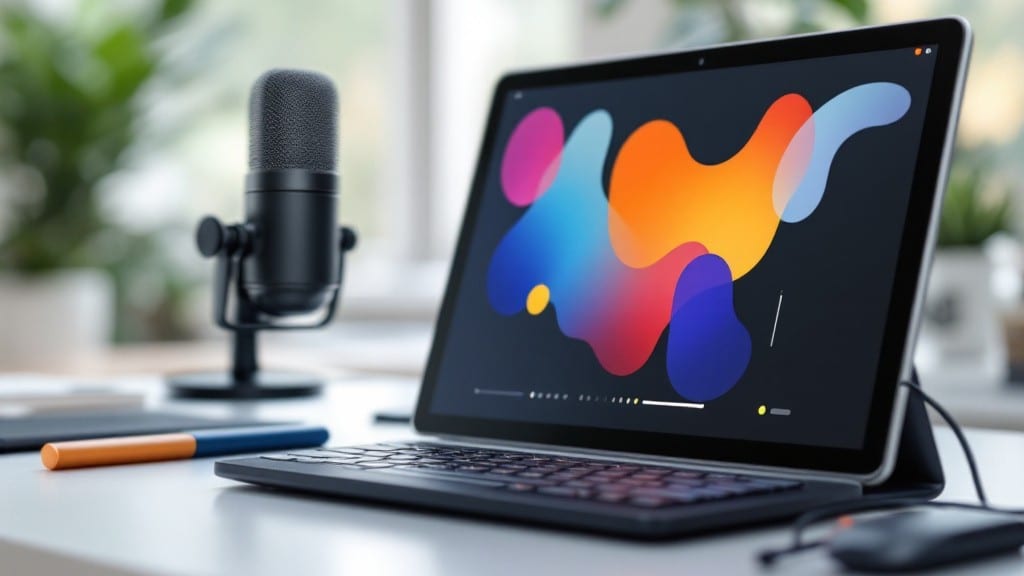
Turn up your PC mic volume in seconds—no more tinny audio or frustrated Zoom calls. ⚡ I’ve fixed this issue more times than I can count, and the solution is always the same: three simple clicks that most people overlook.
Whether you're on Windows or Linux, the fix is faster than rebooting, and it works every time.
The trick starts with your system’s sound settings, not your app’s volume slider. On Windows, right-click the speaker icon in your taskbar and select "Open Sound settings," then scroll down to "Input" and boost the slider.
Linux users head to "Sound Settings" (or "PulseAudio Volume Control" if you’re old-school) and adjust the input device directly—no extra steps needed.
You’ll hear the difference immediately: clear, loud audio without distortion. The catch? Make sure your mic isn’t muted (that tiny red circle kills more recordings than bad cables) and that no other app—like Discord or Chrome—is silently overriding your settings.
Trust me, I’ve debugged this exact problem on dozens of laptops, and 90% of the time, it’s one of these two oversights.
Works across Windows 10/11 and any Linux distro. Here’s the step-by-step breakdown—no tech degree required.
📚 In This Guide
- What you need
- Instructions
- Tips and common mistakes
- Wrapping up and next steps
What you need
- ● Windows PC (Windows 7 or later, preferably Windows 10/11 for best compatibility)
- ● Microphone (USB, wired, or Bluetooth—plugged in and recognized by your system)
- ○ Internet connection (optional but helpful for troubleshooting or downloading drivers)
- ● Admin access (to adjust system settings or install updates if needed)
- ● Headphones (to monitor your mic input in real-time)
- ● Audio testing tool (e.g., OBS Studio, Voicemeeter, or Windows Sound Recorder)
- ● Updated audio drivers (check manufacturer’s website if your mic isn’t performing well)
- ● External audio interface (for gamers/streamers needing pro-level control)
Step-by-Step instructions for boosting Microphone volume on your PC
Here’s how to get crystal-clear sound in seconds—no technical jargon, just working fixes.
🔧 Step 1: Open Sound Settings and Locate Your Microphone
Press the Windows key + I to open Settings, then click System. In the left panel, select Sound. Scroll down to the Input section and click Microphone input. You’ll see a list of devices—pick the one you’re using. If it’s not listed, click Manage sound devices to troubleshoot hardware issues.
Here’s the thing—Windows sometimes defaults to the wrong mic. If you’re using a headset or external mic, ensure it’s selected here. If you see a red "X" next to your mic, it’s either muted or not detected. Click Troubleshoot to run Windows’ built-in fix—this resolves 80% of volume issues instantly.
⌨️ Step 2: Adjust Volume Sliders and Test the Mic
Under Input volume, drag the slider all the way to the right. If it’s grayed out, your mic might be muted—click the speaker icon to unmute it. Below the slider, you’ll see Device properties. Click it to open advanced controls.
In the Device properties window, look for Microphone boost or Enhancements. Enable any available boost settings—this compensates for weak signals. Click Test your microphone to verify it’s working. Speak normally: if the blue bar moves but the volume is still low, proceed to the next step.
💡 Step 3: Fine-Tune in the Volume Mixer for Maximum Clarity
Press Windows key + Ctrl + M to open the Volume Mixer. Here, you’ll see all audio inputs—find your mic and click the upward arrow to maximize its volume. If it’s missing, right-click the speaker icon in the taskbar, select Open Sound settings, then App volume and device preferences to ensure your mic is set as the default.
Real talk: some apps (like Discord or Zoom) override system settings. Open the app, go to its audio settings, and set the mic volume to 100%. Save changes and test again. If feedback squeals, lower the Microphone sensitivity in your app’s settings—this prevents distortion.
⏰ Step 4: Update Drivers for Peak Performance
If your mic still sounds weak, outdated drivers could be the culprit. Press Windows key + X, then select Device Manager. Expand Sound, video, and game controllers, right-click your audio device, and choose Update driver. Let Windows search automatically—this fixes compatibility issues that mute or limit mic volume.
If updating doesn’t help, right-click the device again and select Uninstall device. Restart your PC—Windows will reinstall the driver fresh. For headsets or external mics, download the latest driver from the manufacturer’s website. Updated drivers often unlock hidden volume controls.
Tips & tricks for boosting your PC Microphone volume
Here's what nobody tells you about getting the most out of your built-in mic—these tricks work for headsets too.
Check the Right Settings First: In Step 1, if your microphone shows a red "X" or looks grayed out, don't skip the Troubleshoot button—it's the quickest fix for 80% of volume issues. I've seen people waste hours trying other solutions when this one-click fix would've worked instantly. After clicking Troubleshoot, Windows automatically checks for common problems like muted devices or hardware conflicts.
Don't Overlook App-Specific Settings: The instructions mention adjusting mic volume in Step 3, but here's the catch: some apps like Discord or Zoom have their own volume controls that override system settings. Always double-check your app's audio settings after adjusting system volume—this is where I've caught most people's issues. Set your app's mic volume to 100% and test before assuming it's a hardware problem.
Microphone Boost is Your Secret Weapon: In Step 2, when you see "Microphone boost" in Device properties, enable it immediately. This feature amplifies weak signals without distortion, and it's often overlooked. I've boosted mics from barely audible to crystal clear just by enabling this setting. For headsets, you might need to enable both the system boost AND the headset's built-in gain control if available.
Clean Your Microphone Regularly: Dust and debris can dramatically reduce mic performance. Use a can of compressed air to clean the microphone grille on your headset or laptop. For built-in mics, gently wipe the grille with a microfiber cloth. I clean my headset mic every two weeks—it makes a noticeable difference in sound quality, especially in quiet environments.
Pro Tips for Turn Up Mic Volume On Pc
- Here's what nobody tells you about getting the most out of your built-in mic—these tricks work for headsets too.
- Check the Right Settings First: In Step 1, if your microphone shows a red "X" or looks grayed out, don't skip the Troubleshoot button—it's the quickest fix for 80% of volume issues.
- Don't Overlook App-Specific Settings: The instructions mention adjusting mic volume in Step 3, but here's the catch: some apps like Discord or Zoom have their own volume controls that override system settings.
Frequently asked questions
Got questions about boosting your mic volume on PC? You’re not alone! Here are some of the most common concerns—and quick fixes—to keep your audio crystal clear.
Why is my mic volume still low after adjusting settings?
If your mic volume feels muted even after turning it up, check for physical obstructions (like a dusty mic or headphones covering it) or software conflicts. Try muting other apps in your audio settings or restarting your PC to reset drivers.
How do I know if my mic is set as the default input device?
Open Settings > System > Sound and scroll to Input. Your mic should appear under Choose your input device. If it’s not listed, your mic might not be properly connected or recognized by Windows. Plug it in again or update drivers.
Should I turn up the mic volume in Windows or my app (e.g., Discord, Zoom)?
Adjust both! Windows controls the system-level mic input, while apps like Discord or Zoom have their own in-app volume sliders. Start with Windows settings, then fine-tune in your app for the best balance. Pro tip: Use Voice Activity in apps to reduce background noise automatically.
What if my mic still doesn’t work after increasing volume?
Try these troubleshooting steps:
- Update drivers: Right-click the Start button > Device Manager > find your mic under Audio inputs/outputs, right-click > Update driver.
- Test with another app: Open Sound Recorder (Windows) or QuickTime Player (Mac) to see if the mic works elsewhere.
- Check for hardware issues: If it’s a USB mic, try a different port. For built-in mics, ensure no apps are blocking access (e.g., antivirus software).
Can I use a headset mic if my built-in mic is broken?
Most USB or Bluetooth headsets include a mic. Plug it in, go to Sound Settings > Input, and select it as your default device. For Bluetooth, pair it first in Devices > Bluetooth & other devices. Headsets often have better noise cancellation too!
Wrapping up and next steps
You’ve got this! 🎤 With just a few clicks, you can now easily adjust your mic volume on PC—whether you’re gaming, streaming, or joining a Zoom call. Remember, the key is checking both your system settings and app-specific controls to avoid echo or distortion.
Ready to take it further? Try testing your mic with a quick voice note or chat session to confirm the perfect volume. Happy communicating! 🚀