
Troubleshooting
Posting too much online can have serious real-world consequences. From identity theft to job loss, these 10 dangers of oversharing on social media reveal why privacy matters more than ever in today's digital age.
Identity theft and fraud risks
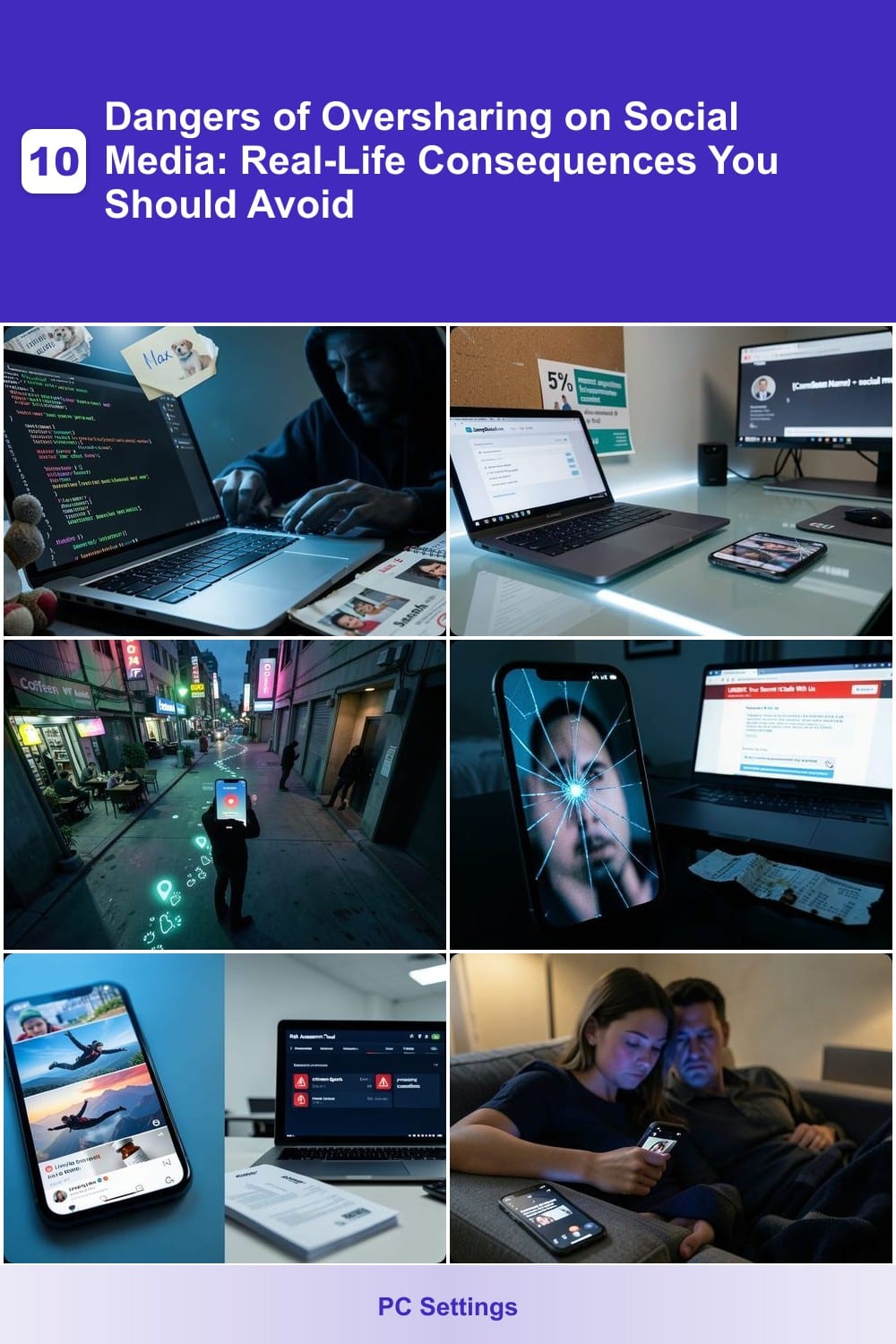
Your childhood pet’s name isn’t just a fun fact—it’s a goldmine for cybercriminals. Posting details like birthdays, addresses, or even your favorite coffee shop order turns your social media into a targeted fraud blueprint, letting scammers bypass basic security questions and hijack accounts with alarming ease.
Fraudsters use this info for account takeovers (think PayPal or banking), credit card fraud (via "security verification" calls), or even phishing scams that mimic trusted contacts. A 2023 FBI report found that 65% of identity theft cases start with publicly shared personal data—often from social media. Even "harmless" posts like vacation check-ins or school drop-off times can reveal patterns criminals exploit.
This risk isn’t just for tech-savvy users—anyone with a public profile is vulnerable. Regularly audit your posts, enable two-factor authentication, and avoid security questions tied to public info. Your oversharing could cost you more than just privacy. ⚡
Job loss and career damage
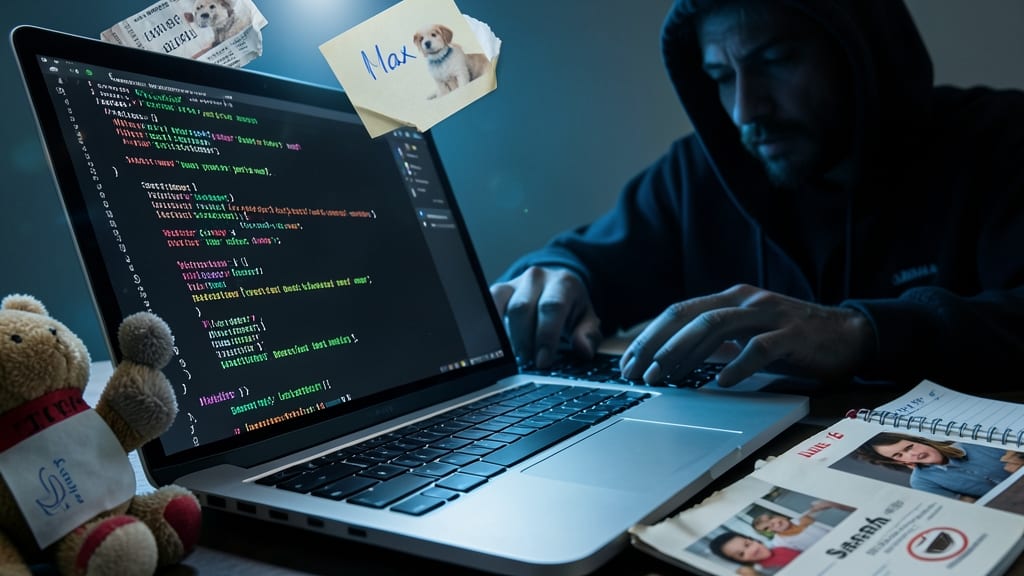
Your next job interview might hinge on what recruiters find online before you even walk in the door. A 2023 CareerBuilder survey revealed that 70% of employers screen candidates on social media, with 57% rejecting applicants due to inappropriate content—even if unrelated to the role.
One controversial post, outdated photo, or unprofessional comment can derail your career. Industries like finance, healthcare, and tech scrutinize profiles for red flags like political rants, alcohol consumption, or negative comments about past employers. Even seemingly harmless details—like vacation photos with location tags—can raise concerns about reliability. LinkedIn’s recruiter tools now flag candidates based on activity patterns, making transparency a two-way street.
Freelancers and remote workers face extra scrutiny, as client-facing roles demand polished digital footprints. A simple audit of your profiles could save you from missed opportunities—or worse, termination if HR discovers past oversharing. 💻
Stalking and harassment exposure
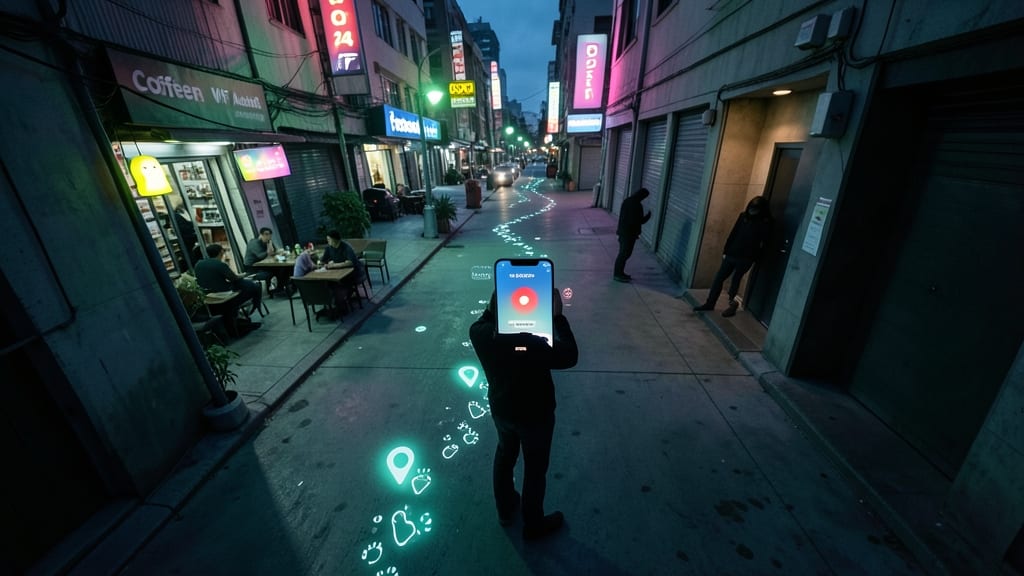
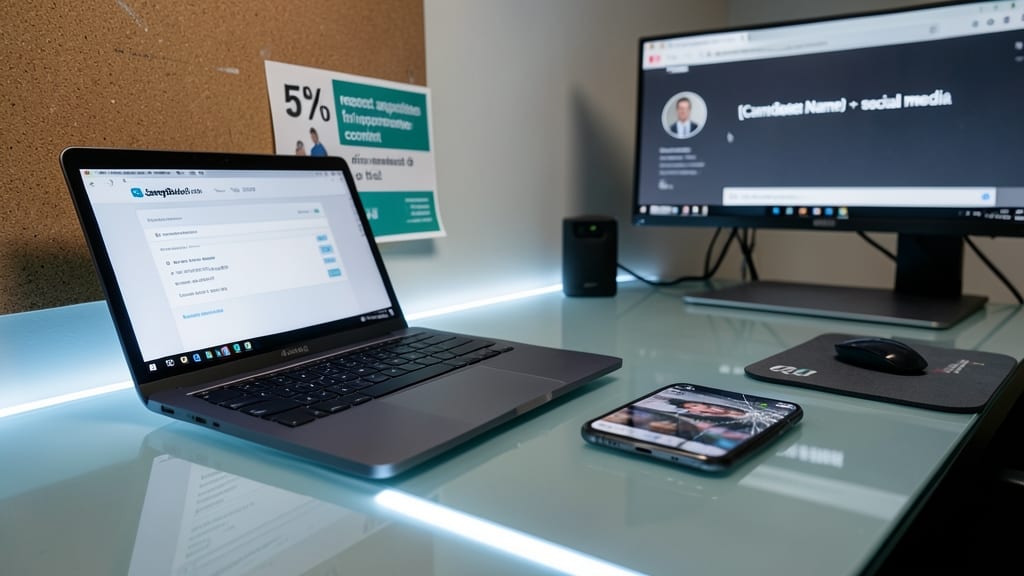
Your check-in posts or live location shares might seem harmless, but they’re like leaving a digital breadcrumb trail for predators. Apps like Facebook, Snapchat, and Instagram often default to sharing your real-time location with friends—or even strangers—unless you manually adjust settings.
Even daily routine posts (e.g., "Heading to the gym at 6 AM" or "Leaving for vacation on Friday") can be exploited. Criminals use geotagging, public Wi-Fi tracking, or third-party apps to monitor your movements. One wrong post could turn your home into a target, especially if you’re away or alone. Always enable two-factor authentication and restrict location access to trusted contacts only.
This risk isn’t just for celebrities—anyone can become a target. Parents, public figures, and even everyday users should treat location sharing like a digital security blanket: necessary for emergencies, but risky when left open. 💻
Blackmail and extortion threats
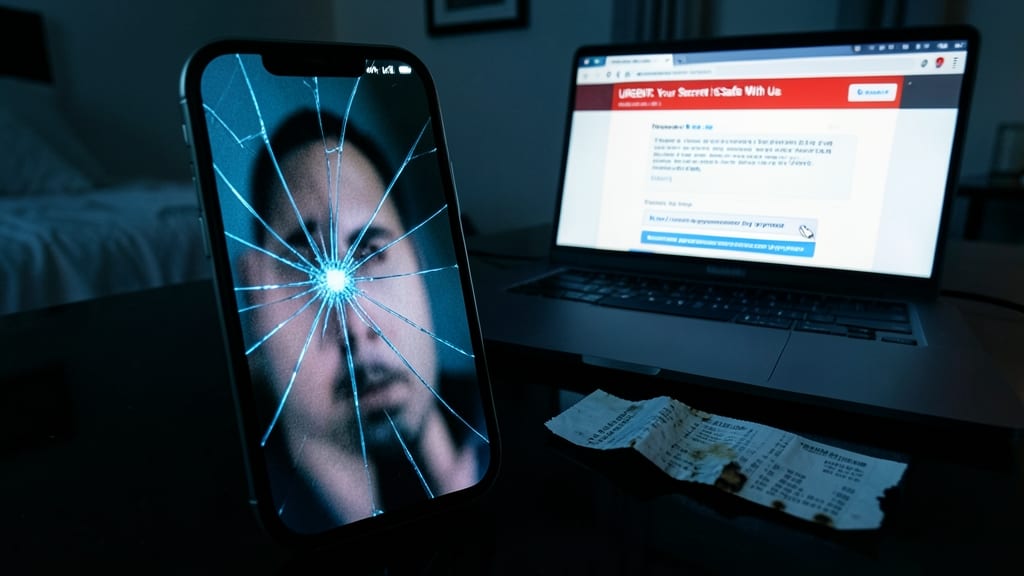
A single compromising photo or private message can become the ultimate digital weapon. Unlike identity theft or stalking, blackmail threats often involve emotional leverage—ex-partners, hackers, or strangers exploiting your past to demand money, favors, or silence.
Cybercriminals often use phishing links to trick victims into downloading malware that records screenshots or keystrokes, capturing sensitive data. Once they have incriminating material, they may demand cryptocurrency payments or threaten to leak the content publicly. Even seemingly harmless posts—like vacation photos with geotags or unflattering moments—can be weaponized against you.
This risk isn’t just for celebrities; ordinary users are targeted daily. If you’ve ever shared private conversations, tagged yourself in risky locations, or posted unfiltered content, you’re vulnerable. Always assume what you post could be used against you. ✨
Insurance policy denials
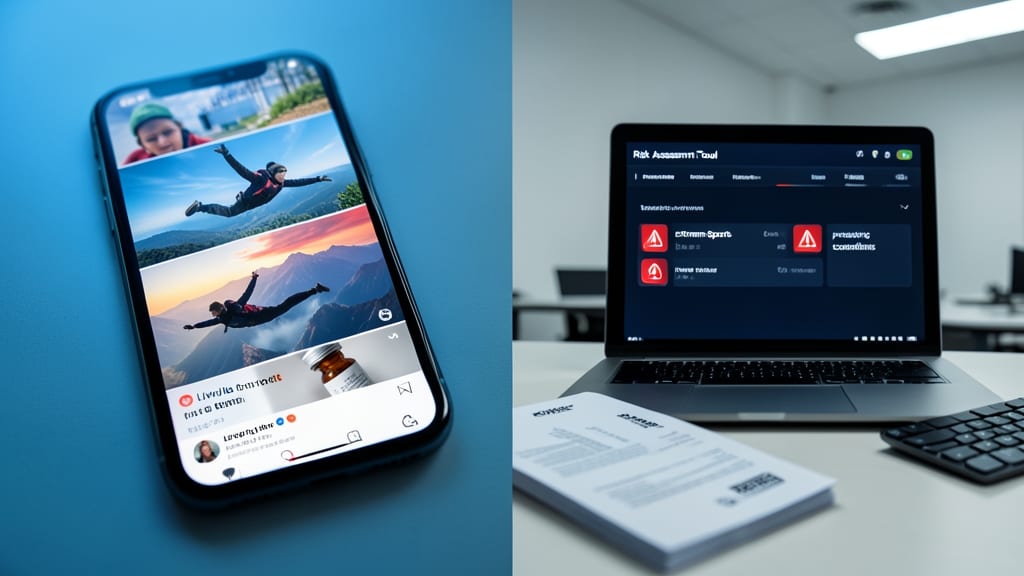
Your health insurance premiums could be directly tied to your social media activity—without you even realizing it. Companies like Allstate and State Farm now use AI-powered tools to scan public profiles for red flags like skydiving photos or posts about chronic conditions, which can trigger claim denials or policy cancellations.
Insurers often look for keywords like "smoking," "alcohol use," "high-risk sports," or even mental health discussions—all of which can inflate premiums or void coverage. A 2023 study by the National Association of Insurance Commissioners found that 37% of insurers actively monitor social media during underwriting, with 1 in 5 policies facing scrutiny for oversharing.
This risk isn’t just for individuals—employer-sponsored plans can also be affected if group policies are tied to collective risk profiles. If you’re applying for coverage or renewing a policy, a quick audit of your public posts could save you thousands. ✨
Relationship trust erosion

Think your partner’s love is unconditional? Oversharing personal struggles or intimate details on social media can actually erode trust over time. What starts as emotional vulnerability can become a tool for manipulation—especially when posts are used to prove dependency or justify control in arguments.
Consider how public posts about relationship conflicts can escalate tensions or how private messages saved as screenshots might resurface later. Even seemingly harmless details—like financial stress or health concerns—can create leverage if shared without boundaries. Relationships thrive on private conversations, not public documentation.
Couples in long-term relationships or those navigating sensitive topics should treat social media like a shared digital diary—one that could be weaponized. Set boundaries before it’s too late. ✨
Social media account hijacking
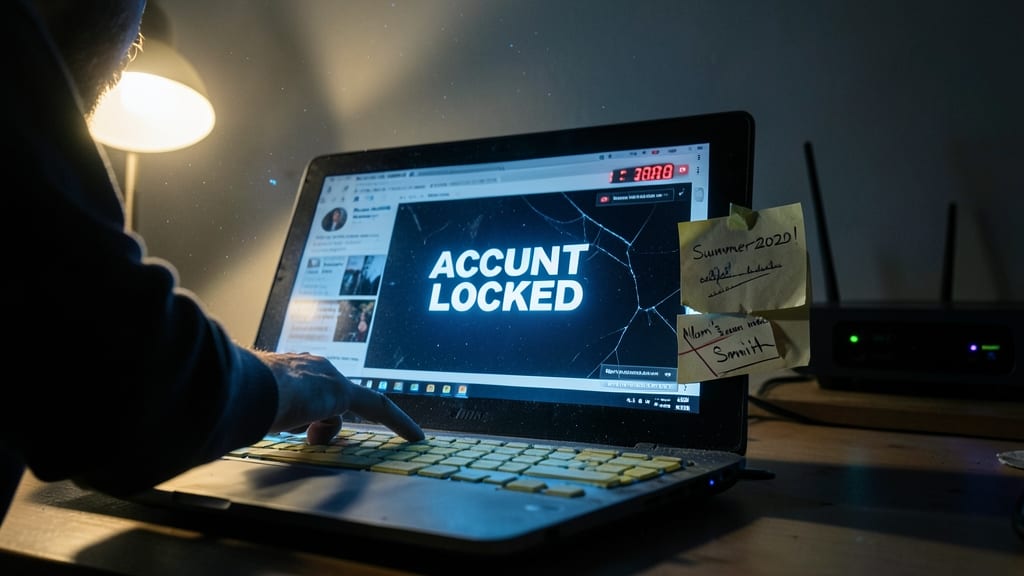
Your favorite social media account could be hijacked in minutes—all it takes is a reused password or a security question answer like "Mom’s maiden name" that’s easy to guess. Cybercriminals exploit these weak links to take over accounts, post misleading content in your name, or even demand ransom to restore access.
Platforms like Facebook and Twitter/X report a 20% increase in account hijackings tied to predictable passwords or shared security answers. A single breach can spread misinformation, damage your reputation, or even lead to legal trouble if the hijacker impersonates you. Enabling two-factor authentication (2FA) with an app like Authy or Google Authenticator adds a critical layer of protection.
This risk hits hardest for public figures, small business owners, and activists—but anyone with a social media presence should act. Start by auditing your accounts today to remove weak security answers and enable 2FA. 🔧
Targeted advertising manipulation
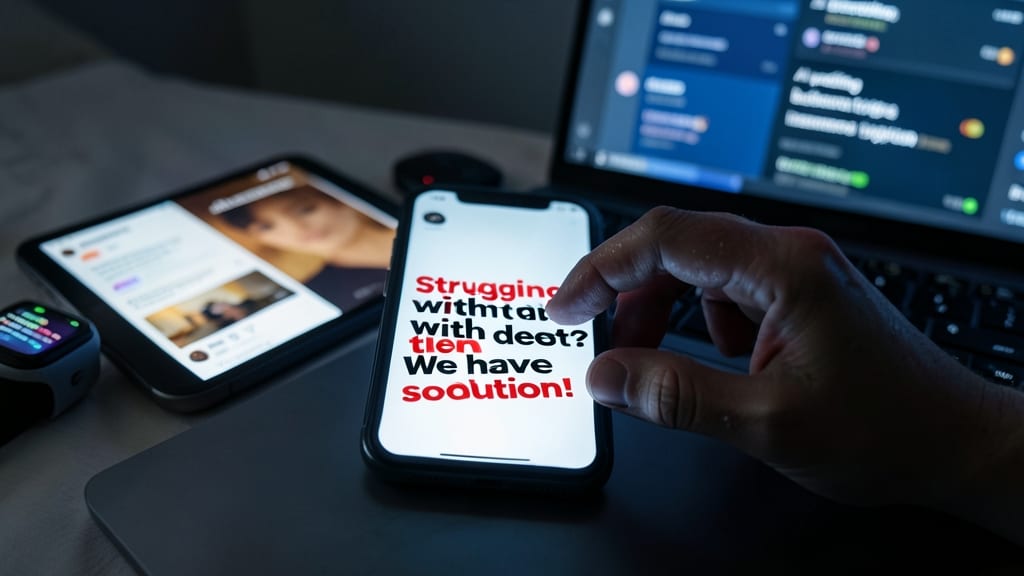
Ever notice how ads suddenly seem to know exactly what you’re struggling with? That’s not a coincidence—it’s algorithm-driven manipulation fueled by the data you freely share. Platforms like Facebook and Instagram use AI-powered profiling to craft ads that exploit your insecurities, from financial worries to relationship doubts, making them eerily persuasive.
These systems analyze your likes, location history, and even past interactions to serve hyper-targeted content. For example, a user searching for "weight loss" might suddenly see ads for expensive supplements—designed to trigger impulsive purchases. Worse, some ads exploit psychological triggers like scarcity ("Only 3 left!") or social proof ("10,000 people bought this!"), bypassing rational decision-making. ⚡
Legal consequences for minors
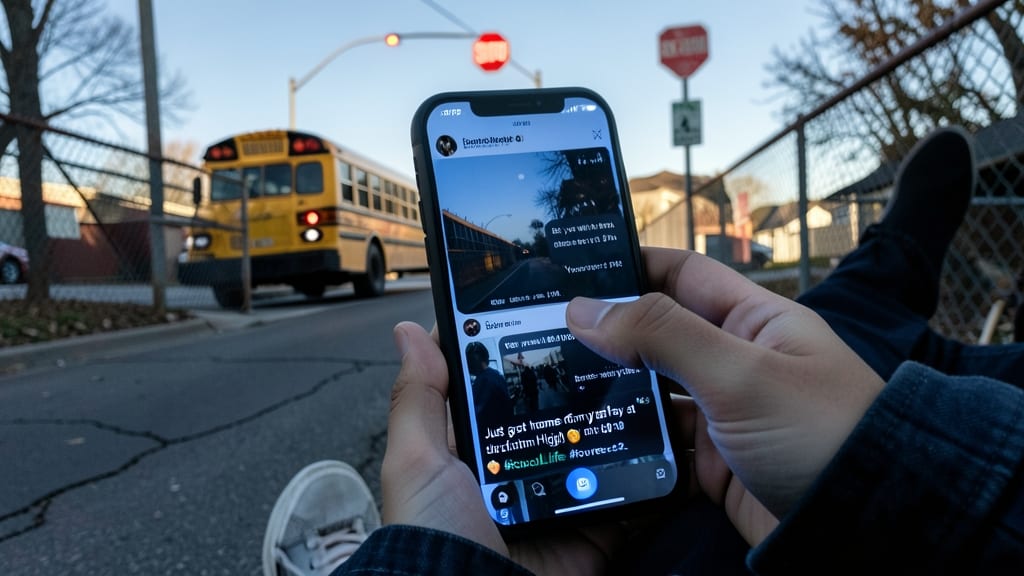
Parents and teens often assume school photos or location tags are harmless, but cyberbullying laws and stalking statutes now treat them as serious threats—especially when shared publicly. A single post revealing a school route or class schedule could expose minors to harassment or even criminal investigations under age-specific digital safety laws in many states.
For example, sharing a real-time Snapchat location near a school could trigger cyberstalking charges if used to harass peers. Some states classify repeatedly posting school photos with personal details as child endangerment, punishable by fines or mandatory counseling. Even sexting among minors can escalate into criminal charges if screenshots spread, with law enforcement treating it as child pornography distribution in some jurisdictions.
This risk isn’t just theoretical—FBI reports show a rise in cases where teens face juvenile court records for oversharing. Parents should enforce strict privacy defaults on platforms like Instagram and Snapchat, and teens need to understand that one post could have lifelong legal consequences. 💻
Mental health exploitation
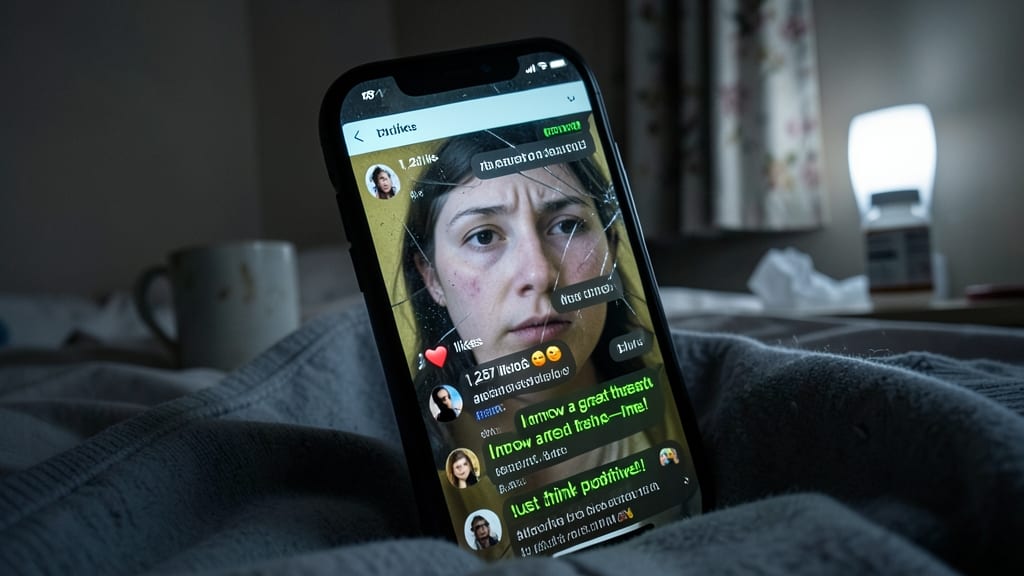
Ever noticed how some posts about anxiety or depression get hundreds of likes—but also attract comments from strangers offering "help" or unsolicited advice? That’s not just bad luck; it’s a tactical playbook used by online predators to exploit emotional vulnerabilities.
Platforms like Facebook and Instagram use algorithms to surface vulnerable users to accounts posing as mental health advocates—only to later demand private conversations or exploit personal details. Studies show that 43% of teens who overshare struggles receive unsolicited DMs from strangers within 24 hours, often leading to grooming behavior disguised as support. Even "well-meaning" commenters can become manipulators, using your posts to build trust before exploiting you.
This risk isn’t just for individuals—mental health professionals and support groups also face targeted harassment when discussing sensitive topics publicly. If you’re sharing struggles, limit visibility to trusted friends and avoid posting in real-time. A little privacy goes a long way. ✨