
Operating System
Data breaches cost businesses millions annually—yet many overlook internal safeguards that can prevent attacks before they start. These 10 proven strategies help companies build a cybersecurity-first culture, enforce compliance, and minimize risks without relying solely on external solutions.
Role-Based Access Control Implementation
Imagine a firewall for your employees—role-based access control (RBAC) ensures only the right people see the right data, cutting accidental leaks and malicious insider risks by up to 80%. Instead of granting broad permissions, RBAC assigns granular access based on job roles (e.g., HR sees payroll, finance sees ledgers), making compliance with GDPR and HIPAA effortless while reducing administrative overhead.
Modern RBAC systems like Microsoft Azure AD or Okta integrate seamlessly with existing tools, using attribute-based policies to dynamically adjust permissions. For example, a contractor might access a project folder only during their contract term, then lose access automatically. Auditing features log every access attempt, helping you spot anomalies before they become breaches.
This is a game-changer for healthcare providers, financial firms, and any business handling sensitive data. By limiting exposure, you slash compliance fines and prevent costly mistakes—like a marketing intern accidentally leaking client emails. 💻
Automated Data Encryption for Sensitive Files

Worried about lost laptops or intercepted emails exposing your company’s most sensitive data? Automated data encryption acts as an invisible shield, securing files whether they’re stored on a server or flying across networks—without requiring manual effort from your team.
Solutions like Microsoft Azure Information Protection or VeraCrypt automatically encrypt PII, financial records, and healthcare data using AES-256 (military-grade encryption). They integrate seamlessly with cloud storage (Dropbox, SharePoint) and email systems, ensuring compliance with HIPAA, GDPR, and PCI DSS. Even if a device is stolen, the data remains unreadable without the proper decryption keys.
This safeguard is non-negotiable for finance firms handling client portfolios or healthcare providers managing patient records. It’s also a game-changer for remote teams, where lost devices are a top breach risk. ✨
Regular Security Awareness Training Programs
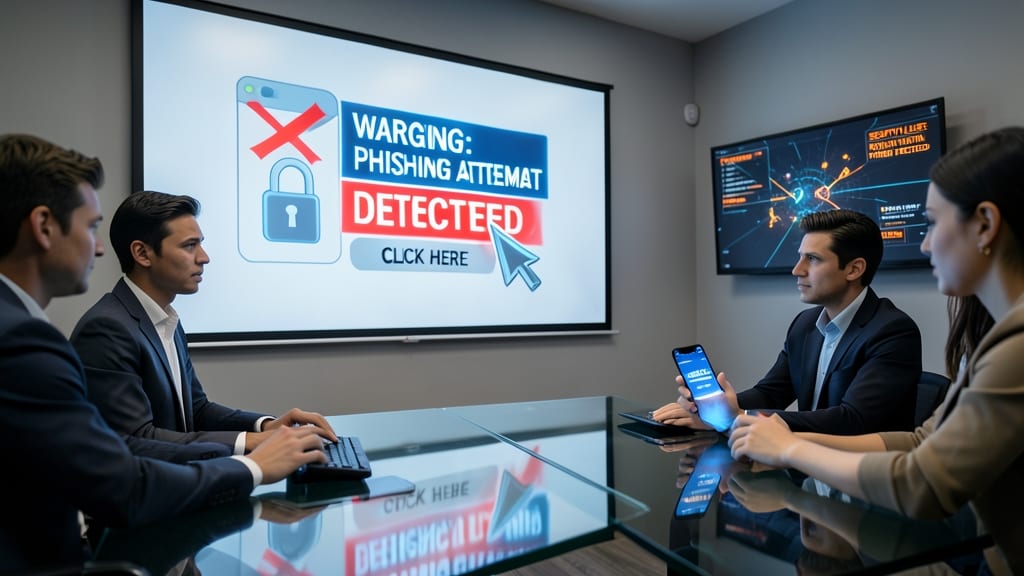
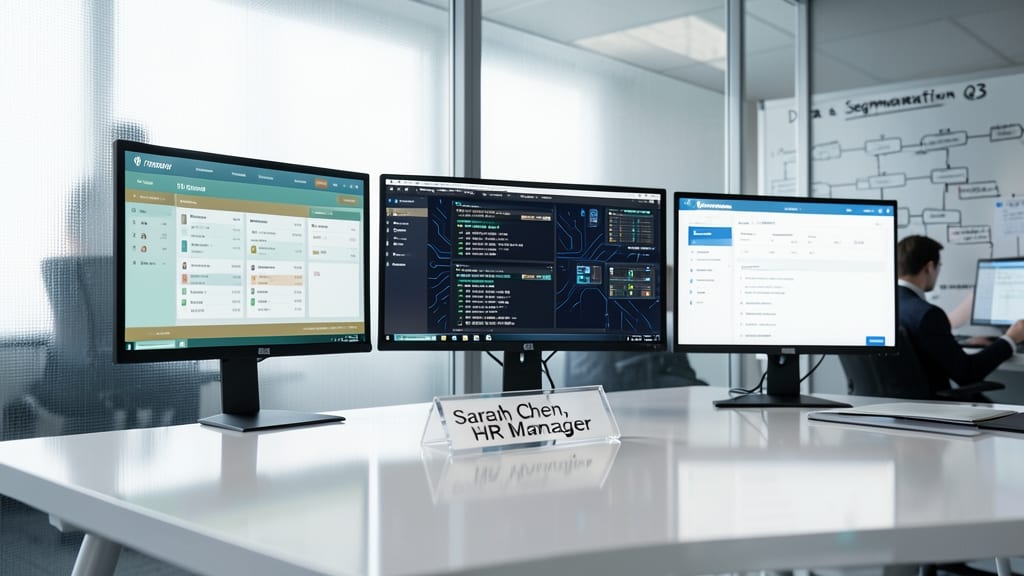
Most breaches start with a single click—yet many companies still treat security training as a checkbox rather than a critical line of defense. Regular security awareness programs transform employees from potential vulnerabilities into your strongest defense by focusing on real-world threats like phishing, weak passwords, and improper remote access.
Look for programs with interactive simulations (e.g., simulated phishing emails with real-time feedback) and role-specific modules (e.g., HR vs. finance teams). Solutions like KnowBe4 or SANS Security Awareness offer gamified training that reduces completion fatigue while improving retention. Many include quarterly refresher courses to adapt to new attack vectors, ensuring your team stays sharp without overwhelming your IT budget.
This is the perfect safeguard for SMBs with limited IT staff, as it requires minimal setup and delivers outsized returns—studies show trained employees report 30% fewer phishing attempts. 💪
Multi-Factor Authentication for All Systems
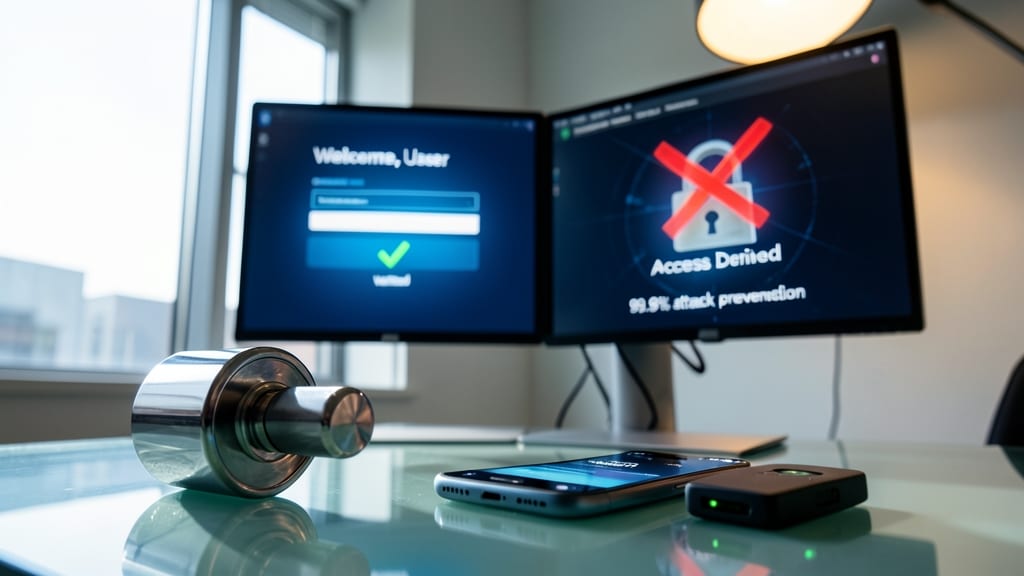
Tired of hearing about password breaches? Multi-Factor Authentication (MFA) isn’t just a checkbox—it’s the digital equivalent of a deadbolt on your front door, blocking 99.9% of automated attacks before they even reach your systems. Unlike passwords alone, MFA requires a second verification step (like a code from an app or hardware token), making brute-force attacks nearly impossible.
Most modern platforms—from Office 365 and Slack to VPNs and cloud storage—support MFA with minimal setup. Solutions like Microsoft Authenticator, Duo Security, or YubiKey integrate seamlessly, offering push notifications, SMS codes, or biometric scans. Even better? Many services now offer zero-configuration MFA for employees, reducing IT overhead while boosting security.
This is non-negotiable for teams handling sensitive data, but it’s also a game-changer for remote workers or freelancers. With 90% of breaches starting with stolen credentials, MFA is the simplest way to turn your first line of defense into an impenetrable fortress. ⚡
Endpoint Detection and Response Tools

When your team works remotely, traditional firewalls aren’t enough—endpoint detection and response (EDR) tools fill the gap by scanning every device for threats in real-time. Unlike basic antivirus, EDR uses AI-driven behavioral analysis to spot anomalies like ransomware encryption or lateral movement attacks before they cause damage.
Solutions like CrowdStrike Falcon or SentinelOne offer sub-second threat detection, automated containment, and detailed forensic reports. They integrate with existing security stacks (SIEM, SOAR) and work across Windows, macOS, and Linux—critical for hybrid environments where devices connect to both corporate and personal networks.
Ideal for companies with remote or hybrid teams, EDR reduces dwell time (how long attackers stay undetected) by up to 90%, saving you from costly breaches and compliance fines. 💻
Secure Document Management Policies

Legal teams and creative studios know the nightmare of leaked drafts or outdated contracts resurfacing—but secure document management policies turn chaos into control. By enforcing version control, auto-expiring access, and immutable audit logs, you can ensure only the right people see the right files at the right time.
Platforms like Box Sign or Microsoft Purview let you set expiration dates on shared links (e.g., 24-hour access for client reviews) while tracking every download or edit. Watermarking and rights management further deter leaks, while automated alerts flag suspicious activity—like someone printing a patent application at 3 AM. For IP-heavy industries, this isn’t just security; it’s insurance against costly mistakes.
Creative agencies and law firms will love this—especially when combined with client non-disclosure agreements tied to digital permissions. The result? A paper trail that holds up in court and keeps your trade secrets safe. ✨
Network Segmentation for Critical Systems

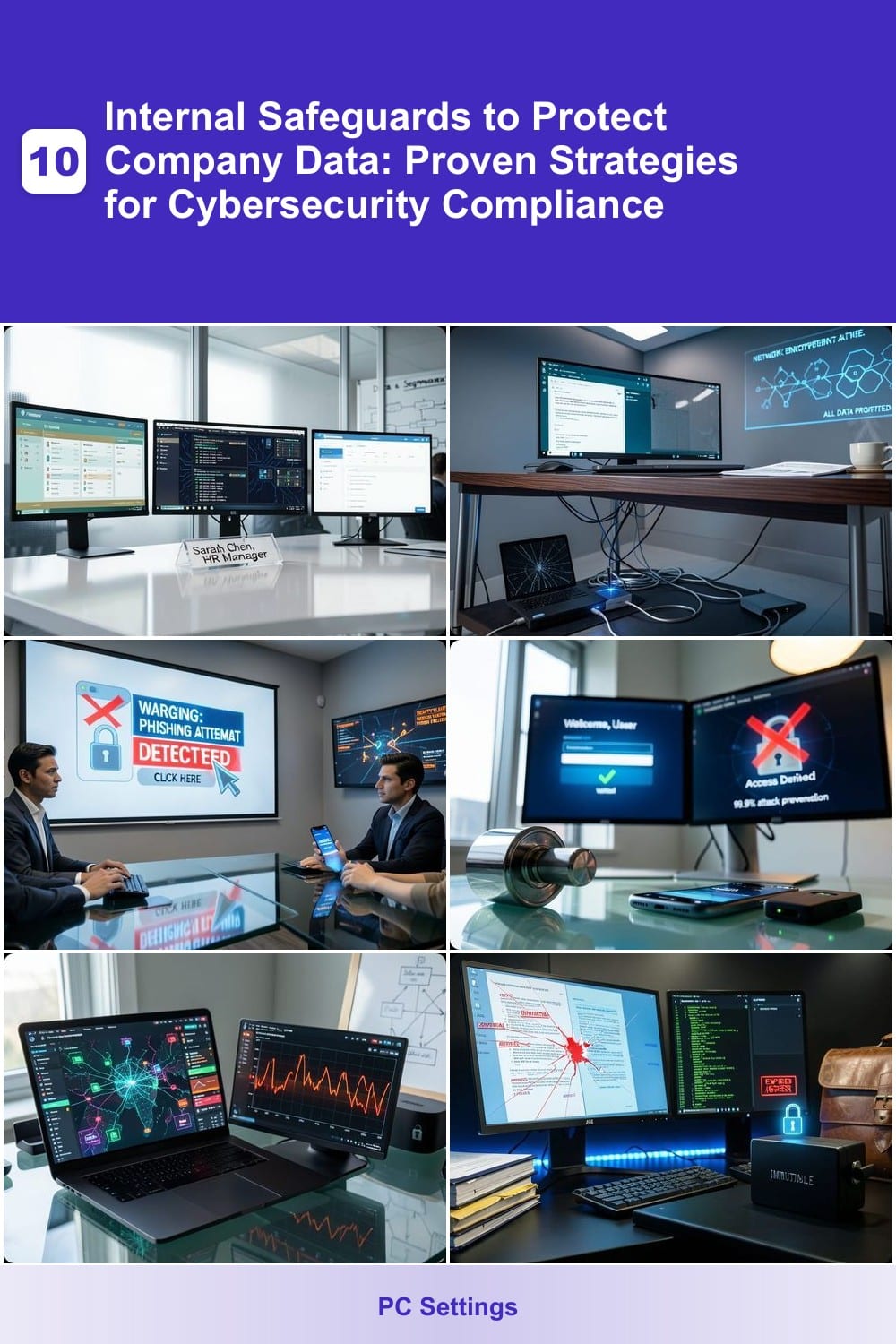
What if a single breach in your marketing department could expose your entire finance network? Network segmentation acts as a digital firewall, isolating sensitive departments like HR, payroll, and legal from the rest of your company—stopping attackers dead in their tracks.
By dividing your network into micro-segments (e.g., VLANs or zero-trust zones), you limit an attacker’s ability to move laterally. Tools like Cisco ACI or Palo Alto Networks automate segmentation rules, ensuring only approved traffic crosses departmental boundaries. Even if one system is compromised, the breach stays contained—no domino effect. Studies show segmented networks reduce breach costs by up to $1.2 million per incident.
This is your best defense for companies handling PCI, HIPAA, or GDPR data—especially those with hybrid workforces where remote devices connect to corporate networks. Start with high-risk departments first. ✨
Automated Patch Management for Software

Hackers exploit unpatched software within minutes of vulnerabilities being public—so why wait for manual updates? Automated patch management systems like Patch Manager Plus or WSUS (Windows Server Update Services) close these gaps instantly, ensuring your Windows/Linux servers stay hardened without IT teams chasing updates.
These tools scan for vulnerabilities across all systems, prioritize critical fixes, and deploy patches during off-hours to minimize downtime. For example, SolarWinds Patch Manager supports 300+ applications and integrates with ticketing systems, while Linux-specific tools like Spacewalk handle Red Hat/CentOS updates seamlessly. Compliance reports are auto-generated for audits, saving hours of manual work.
Perfect for IT teams managing 50+ servers, this safeguard cuts breach risks by 80% while reducing compliance headaches. No more scrambling after a breach—just zero-trust automation. 💪
Incident Response Plan Documentation

When a breach happens, every second counts—but without a clear incident response plan, your team may waste critical time guessing next steps. This documentation acts as your cybersecurity playbook, mapping out who does what, how to communicate during an attack, and when to escalate to legal or law enforcement.
A well-structured plan includes predefined roles (e.g., incident commander, communications lead), step-by-step containment procedures, and post-incident analysis templates to prevent future risks. Tools like Splunk or IBM Resilient can automate alert triggers and log evidence, while frameworks like NIST SP 800-61 provide compliance-ready templates. For PCI DSS compliance, this isn’t optional—it’s a requirement to avoid fines and reputational damage.
Companies handling payment data, healthcare records, or customer PII should prioritize this safeguard. Even small teams benefit from a lightweight plan, as it turns panic into action during a crisis. 💪
Third-Party Risk Assessment Protocols
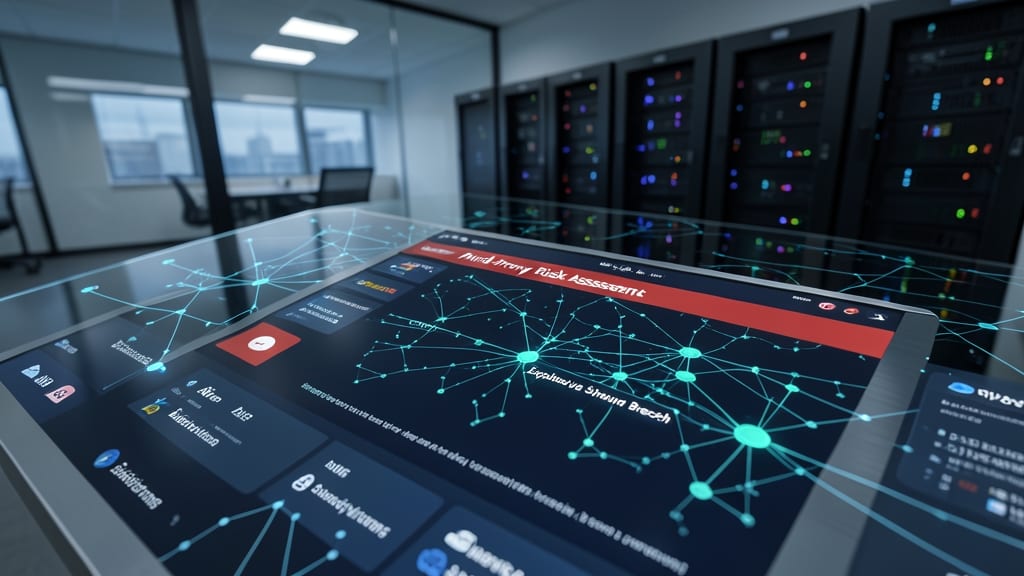
If your company relies on SaaS providers, cloud services, or outsourced IT, you’re only as secure as your weakest vendor. A third-party risk assessment protocol systematically evaluates partners’ security posture—identifying gaps before attackers exploit them through supply-chain breaches like the SolarWinds hack or Kaseya ransomware attack.
Start with automated questionnaires (e.g., NIST SP 800-40 or ISO 27001 frameworks) to assess vendors’ encryption, access controls, and incident response plans. Supplement with penetration testing of their systems or continuous monitoring via tools like SecurityScorecard or BitSight. Require contractual SLAs for breach notifications and right-to-audit clauses—because trust isn’t enough when 60% of breaches involve third parties (Verizon DBIR).
This isn’t just for enterprises—SMBs using Shopify, AWS, or PayPal need these checks too. Prioritize vendors handling customer data, payments, or IP, and refresh assessments annually (or after major incidents). 🌟